Shopping Cart
There are no more items in your cart







- New
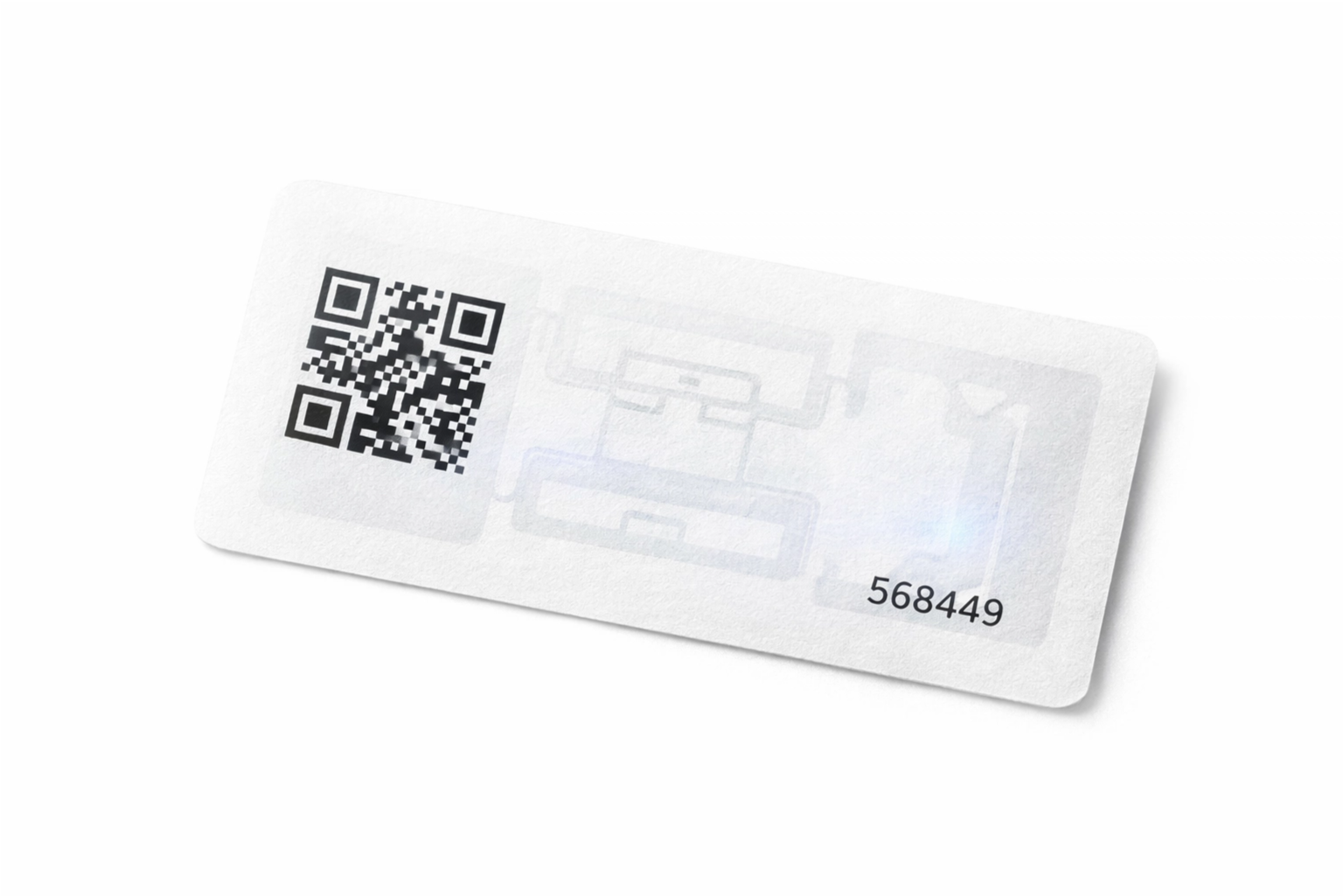
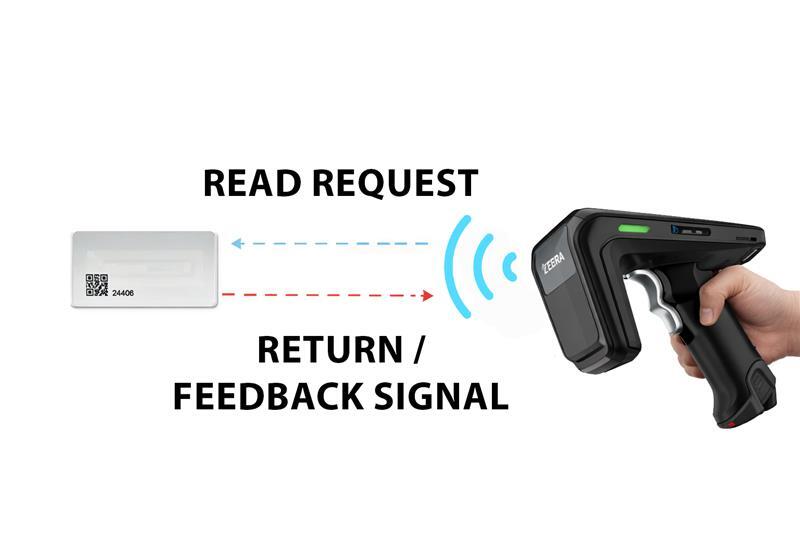
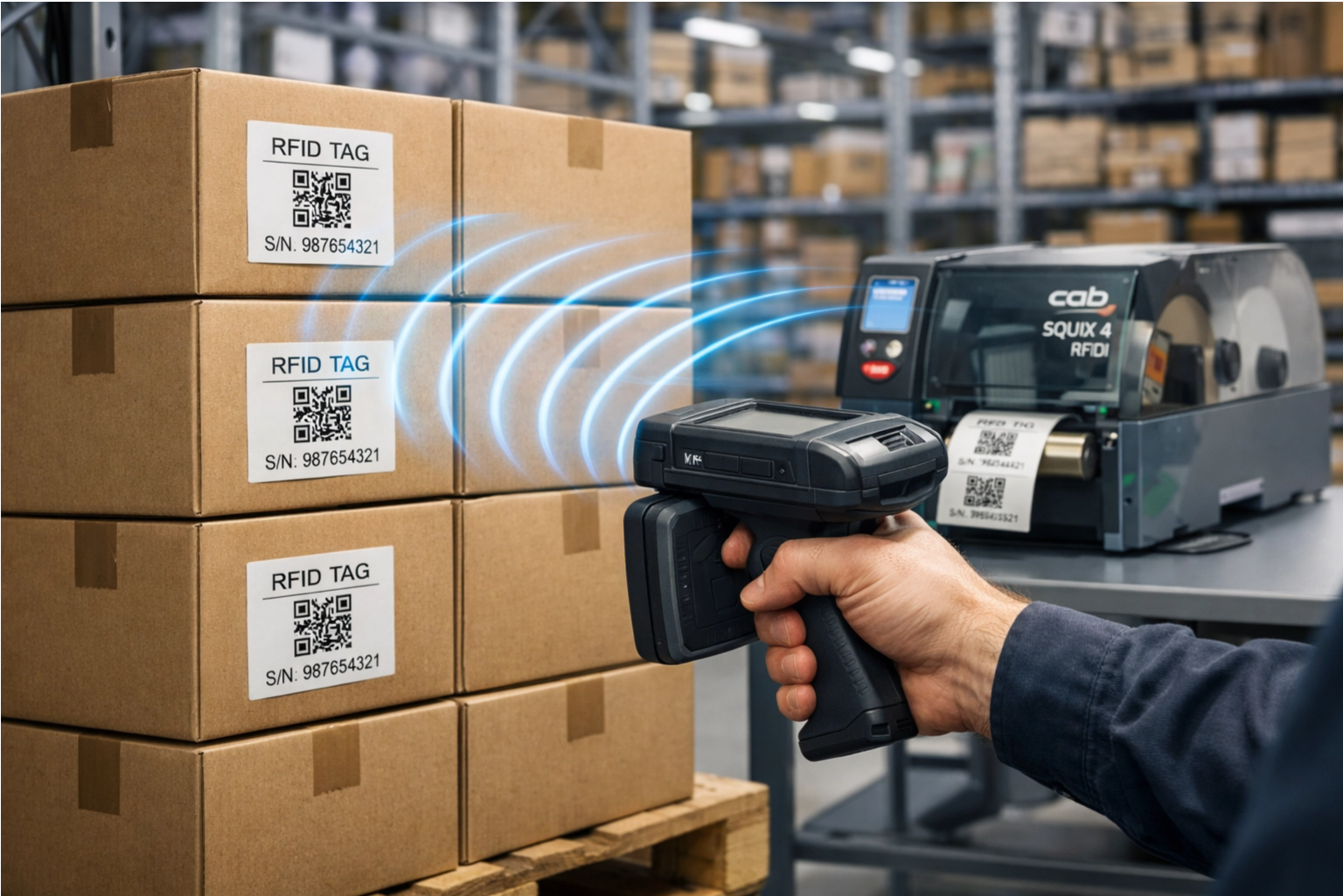
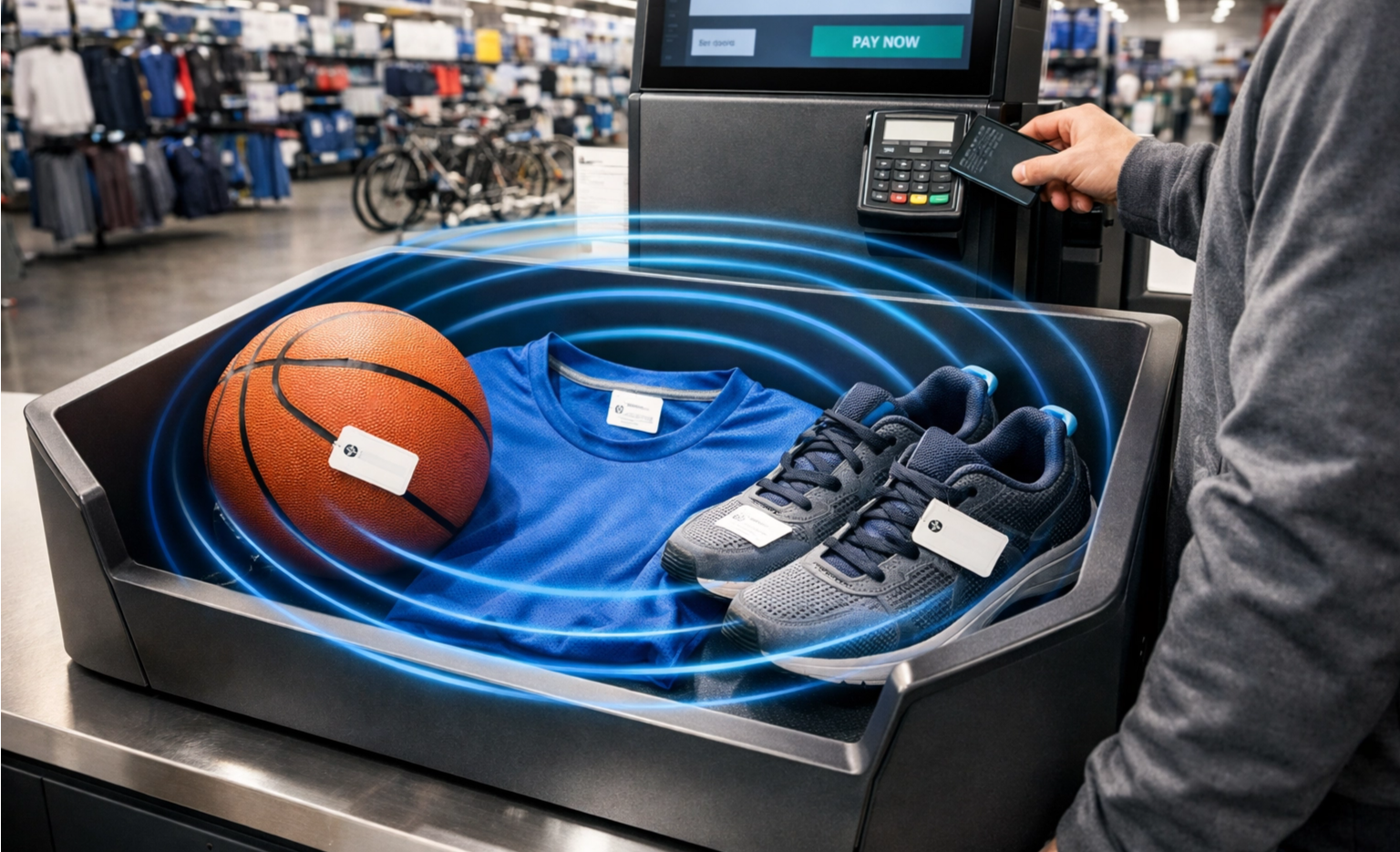
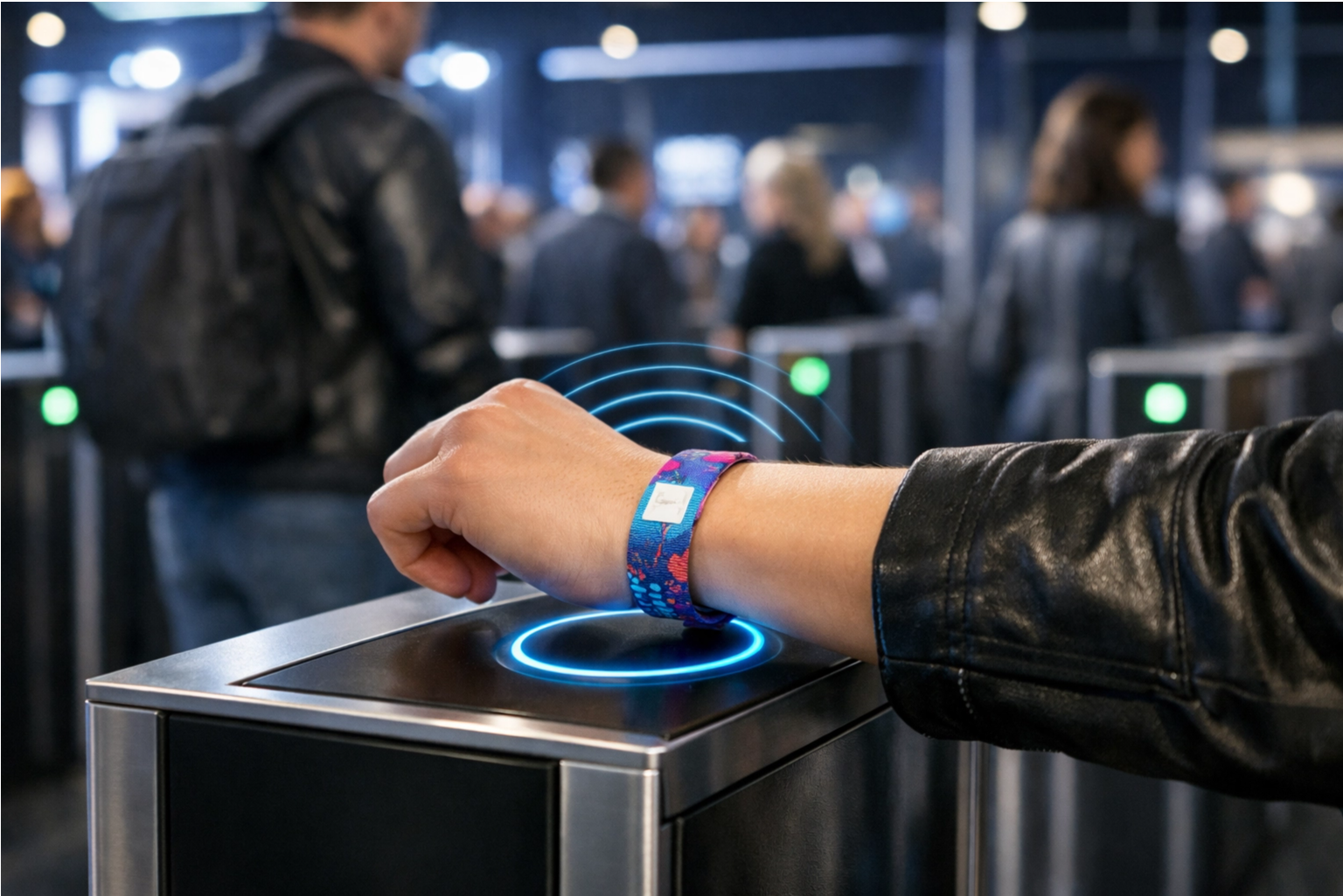
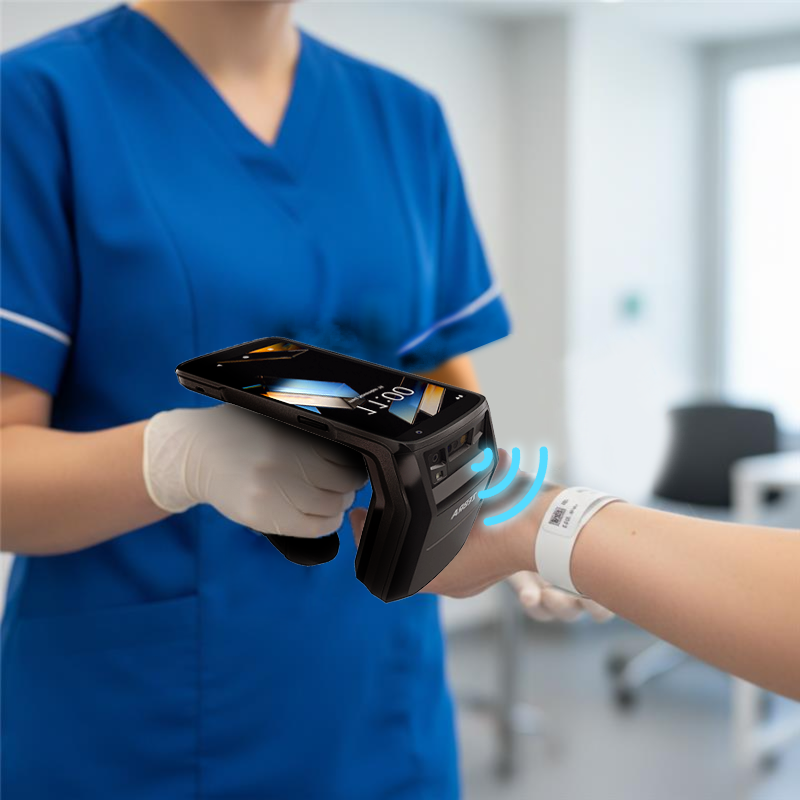
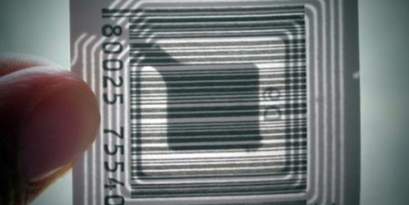
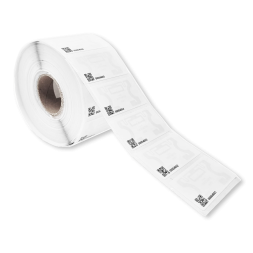
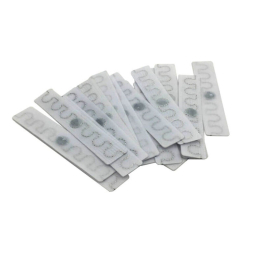
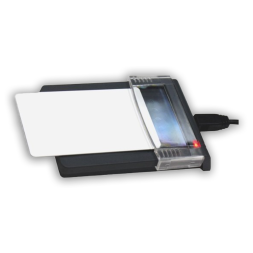
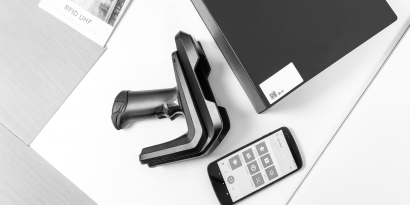
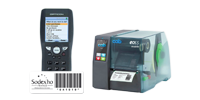
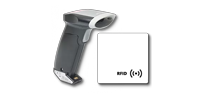
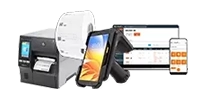
RFID identifies your assets and people without contact, through packaging or a pocket. From the access badge to the pallet label, a chip and a reader are enough to read hundreds of items per second, where the barcode requires a visual read, one at a time. Discover how it works, its frequencies (LF, HF, UHF), its advantages and limitations, a comparison with NFC and the barcode, and how to choose the right RFID system for your business.

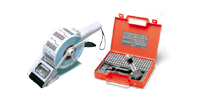
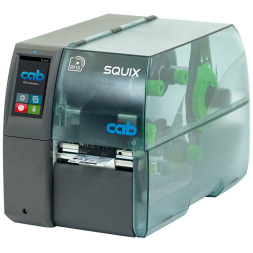
You need to print your own labels, but with the different printing technologies, roll sizes, compatible software, and types of ribbons, it’s often difficult to know where to start. No worries: by answering just a few simple questions, you’ll know exactly which label printer is right for you.